You can read this article as a PDF/flipbook in issue 107 of Korpo Bladet here
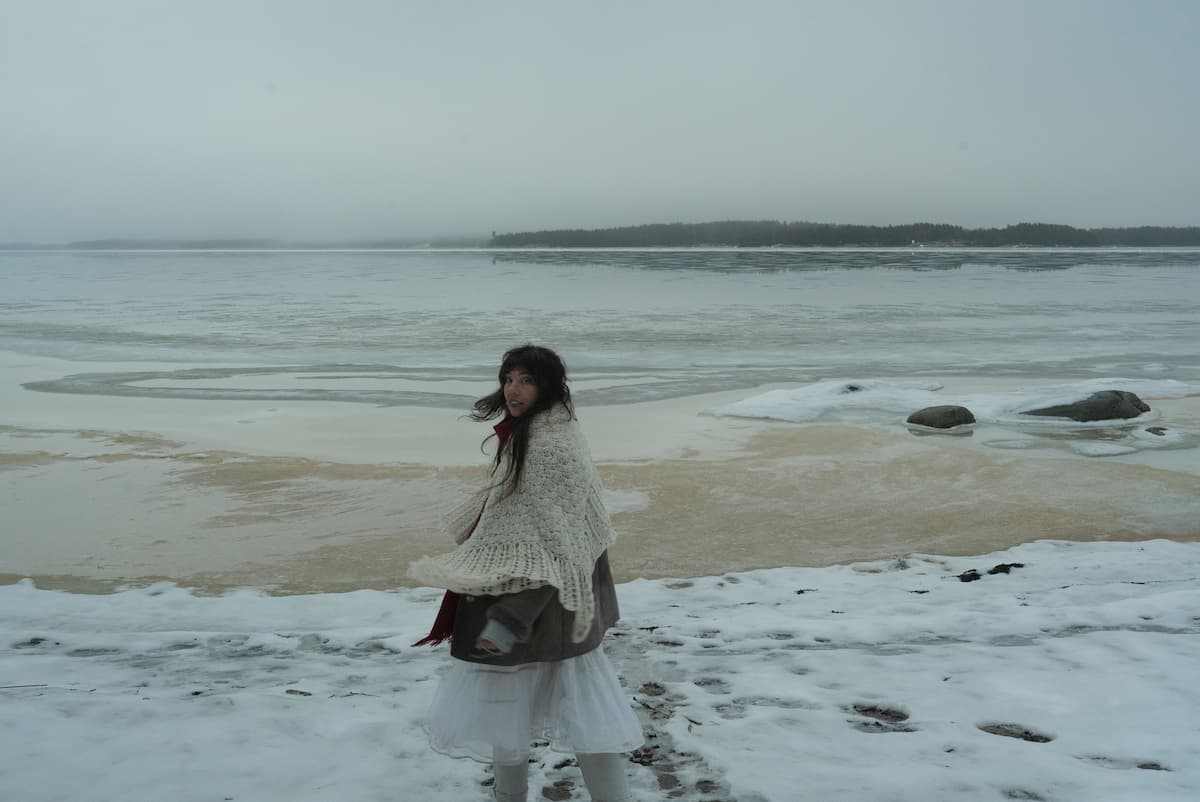
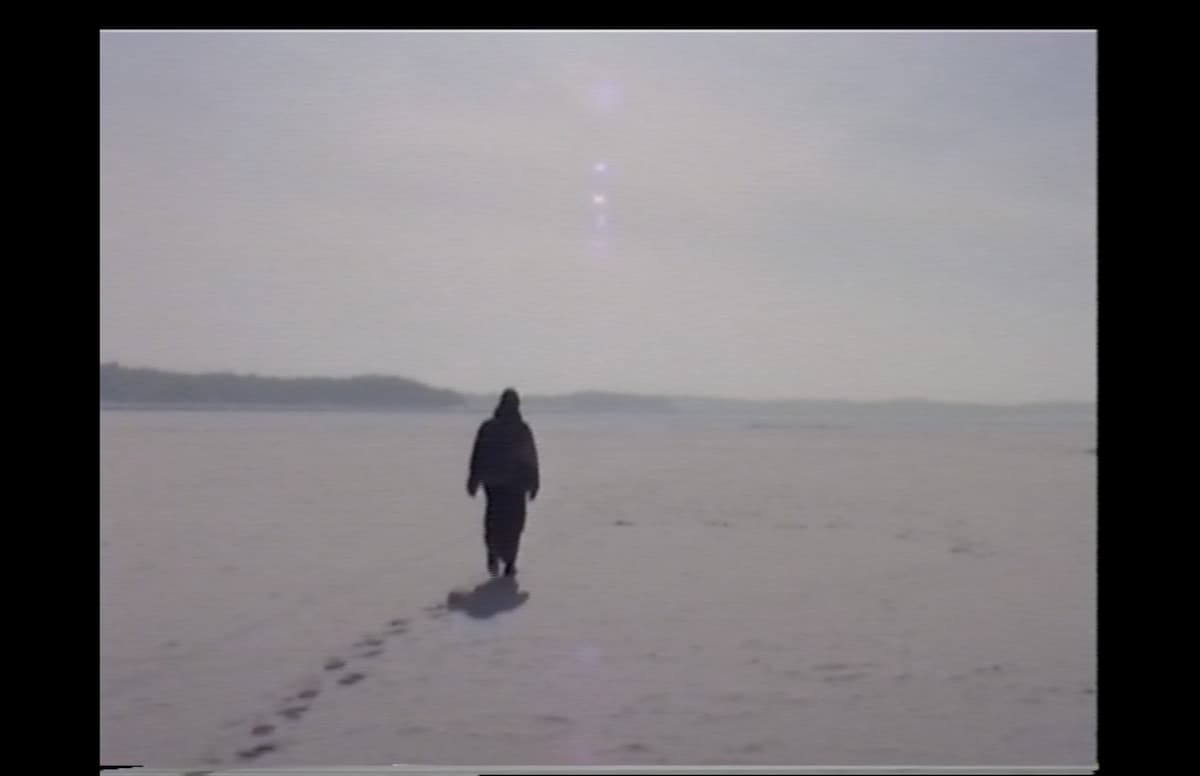
During my first days in Korpo, I woke before the sun each morning. From the window of the ferryman’s house I watch the ferry lights crossing the frozen channel. Sometimes the sunrise never quite arrives; only three small golden discs from the ferry port shining through the blue of early morning.
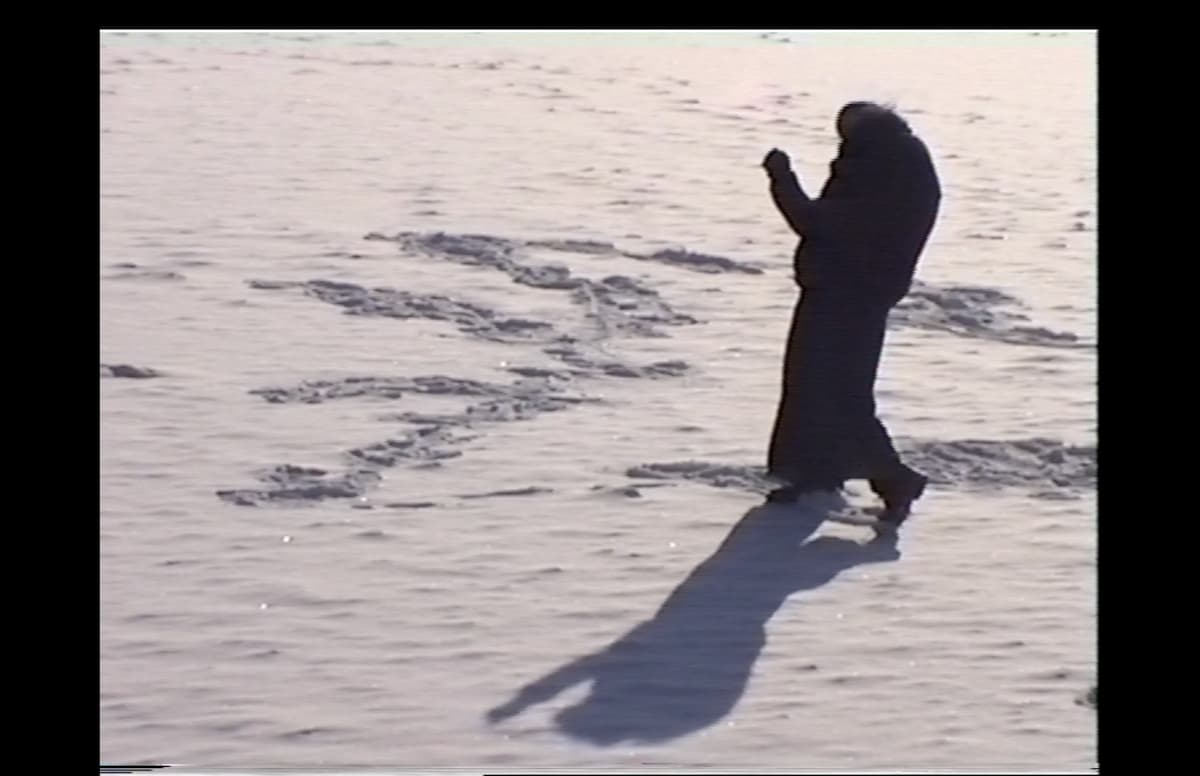
The archipelago in winter is a perfect place for this kind of attention. Sound carries far across the ice and water, but the landscape itself seems to absorb everything.
Where I come from, it feels so far away now. I thought I dreamed a winter. I came here to confirm for myself that it is real. I remember waves that crush and freeze and thaw and froth, but was it only an illustration from Pushkin, or a day at the sea with my uncle.. I am encountering winter again for the first time.
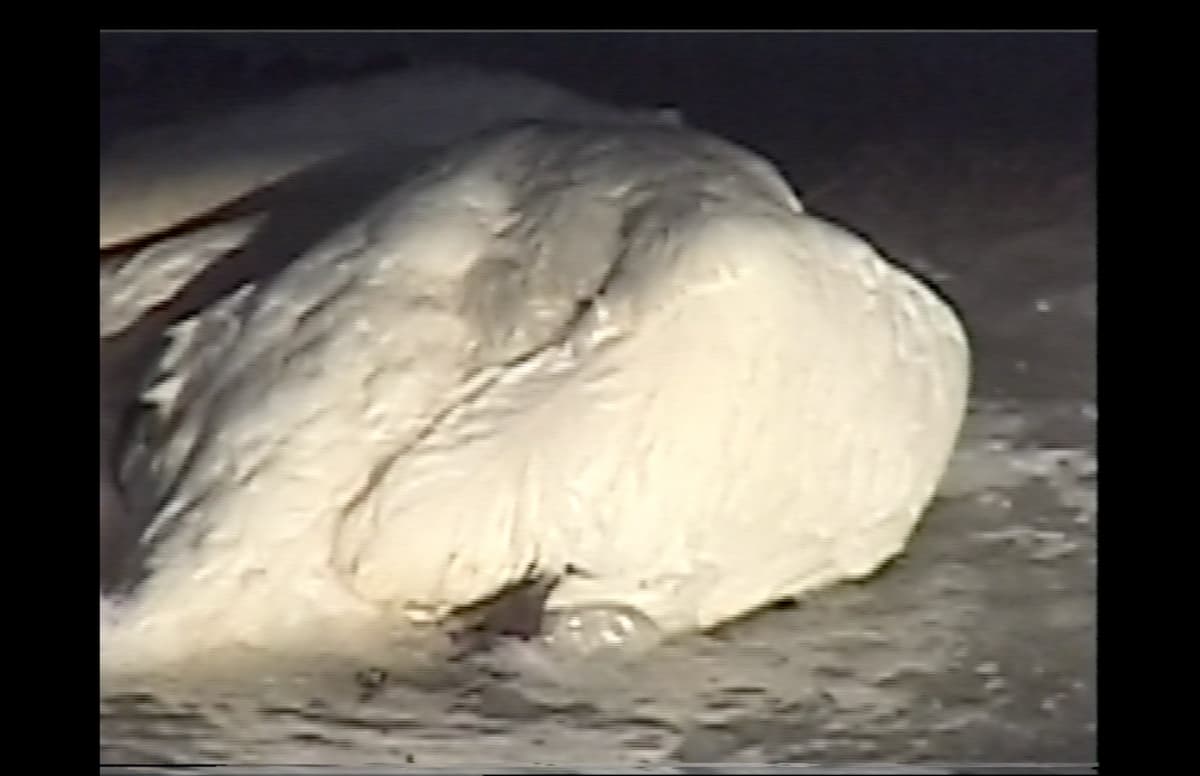
A few days ago I noticed two swans beside the ferry route. The following day there was only one, keeping close to the shore while the ferry pushed aside the shards of ice moving through the channel. When the boat docked, I saw the other swan lying under a bridge, its head resting on the ice. Swans usually sleep with their head tucked beneath a wing, but this was another: weightless stillness.
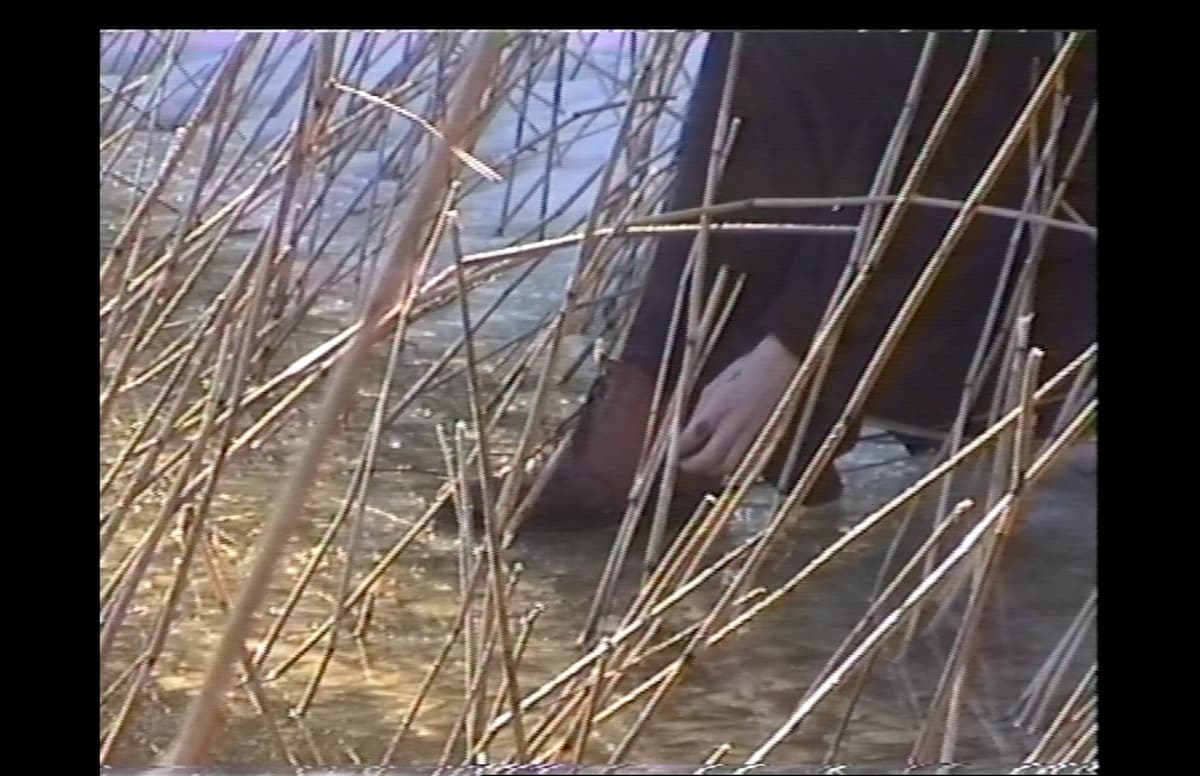
The next day the temperature had shifted again. In the archipelago the ice is always freezing and thawing, tightening and loosening. The swan’s feet had become stuck in the surface. Each day the ice seemed to pull it down almost imperceptibly. Then it snowed for the first time since I arrived. By morning the swan had disappeared beneath a thin layer of white.
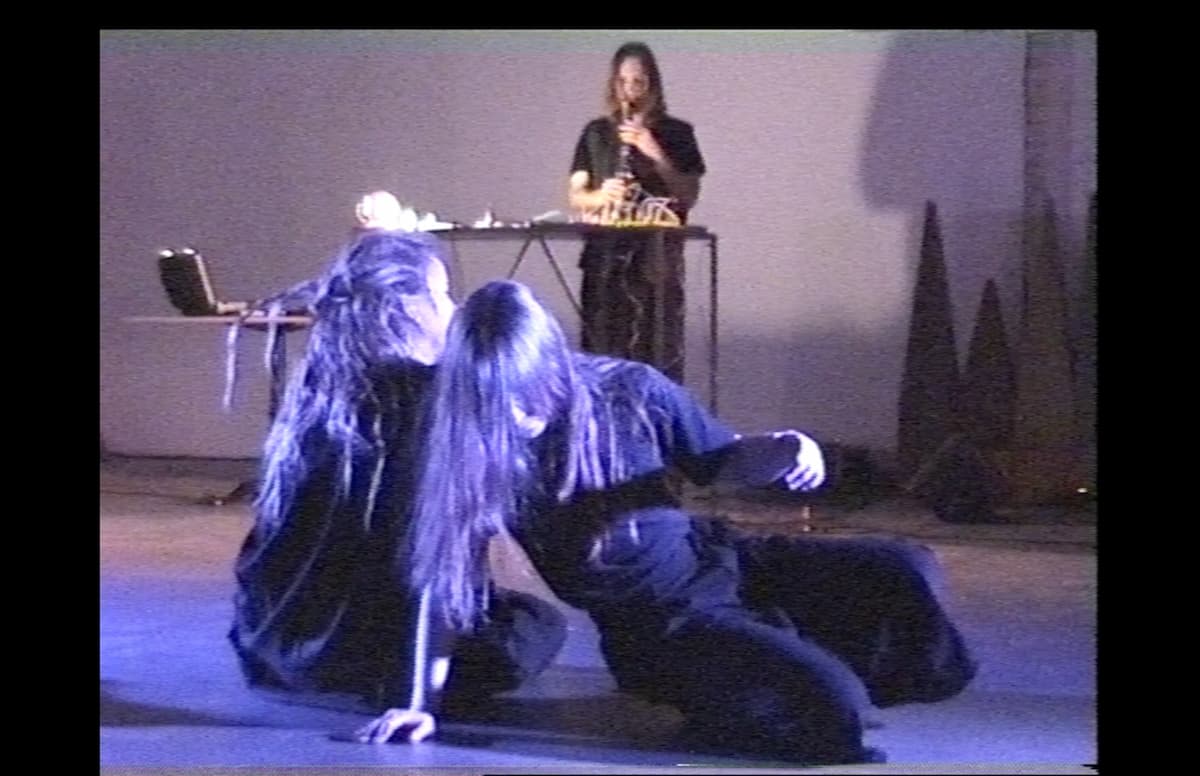
I came here as part of a research residency at AARK to work on a project called Radio Silence, a condition of distance, interference, or deliberate withholding in which signals exist but do not arrive, or arrive too faintly to be intelligible. It can be caused by atmosphere, weather, faulty power, misaligned antennas, or a conscious decision to stop transmitting. In this state, the air is still crowded with waves, but they pass unheard; information circulates without address. Silence is a dense field of potential, full of stray voices, drifting frequencies, and messages that might be received differently if only the receiver were tuned a fraction off or on. The world is speaking, yet nothing is confirmed, waiting to be called by a name you do not yet know.
Residencies often promise time to produce work, but here I have been thinking more about attention itself. I have begun a simple daily practice: for twenty minutes I sit and look at what is around me and name what I see. A cloud. A line on the horizon. The sound of the ferry engine. The tightening of the jaw in the cold air.
The archipelago encourages this kind of looking. Distances shift constantly here: the near and the far, the visible and the hidden beneath ice or water. Sometimes the most important changes are recognised only after they are gone.
Perhaps winter reminds us that life is, in some way, a preparation for the last breath. In the sense of the slow work of understanding where we come from and where we are going.
Sometimes it feels possible to stand on the level: to grace the moment. Winter does not rush. It arrives slowly, if it arrives at all, like snow settling over the landscape, until a life, somehow, begins to take shape.